Step 1
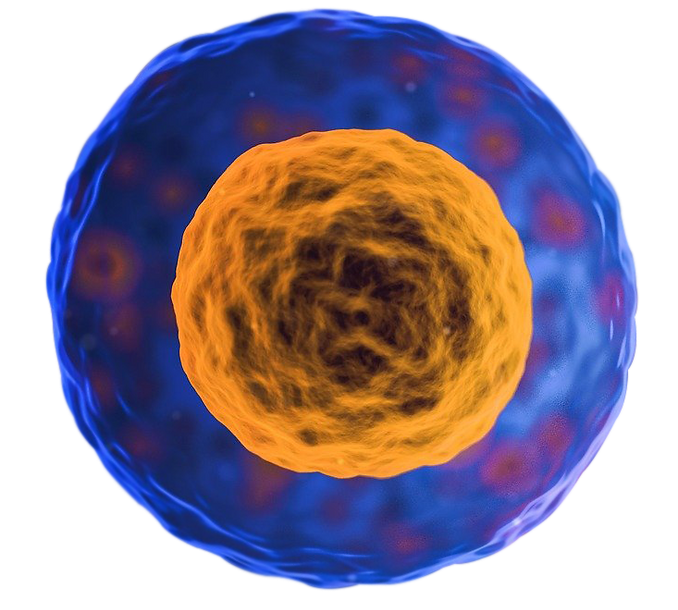
Identification of co-expression networks using genome-wide, tissue specific RNA sequencing data from relevant animal models or human postmortem data.

Accelerating scientific discovery and knowledge application via data integration.

The current widely used methodology, GWAS, identifies statistically significant associations between scattered markers and a condition or trait.
GWAS often ignores the fact that genes operate in networks and code for precise biological functions in specific tissues.
Data processing and analysis requires extensive resources, limiting the possibility of innovation and discovery in genomics.
Our lab created a novel approach to genomic profiling based on biological function of the genes. It aggregates genes into networks considering co-expression levels and enables expression-based polygenic risk score analysis.
A focused pipeline for advanced functional genomics, from tissue-specific networks to outcome analysis.
Identification of co-expression networks using genome-wide, tissue specific RNA sequencing data from relevant animal models or human postmortem data.
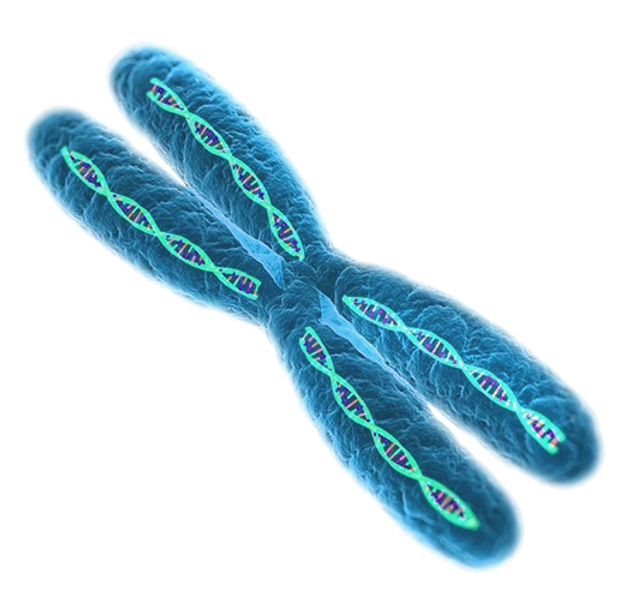
Triangulation between gene network composition, gene variants from research participants, and variant-gene expression association slope (GxE).
Investigation of main effects of gene networks or gene network-environment interactions on the outcome.
We have established expertise in several pipelines for advanced functional genomics.